10 hr 30 min
Alsace Wine Route & Medieval Villages Day Tour
- Expert local guide
- Small group
- Skip-the-line access
- Free cancellation
Alsace Day Trip From Strasbourg — Wine Routes & Medieval Villages
Half-timbered houses and hillside vineyards, an hour beyond the Rhine.
Compare fares, pick the fit — all bookings are mobile-voucher and eligible for free cancellation where shown.
10 hr 30 min
10 hr 30 min
4 hr
| Experience | Duration | Rating | Skip-the-line | Guide | Small group | Free cancel. | Price | |
|---|---|---|---|---|---|---|---|---|
|
Guided Experience
Most popular
Alsace Wine Route & Medieval Villages Day Tour
|
10 hr 30 min | ★ 4.9 | ✓ | ✓ | ✓ | ✓ | €125 | Book → |
|
Guided Experience
Alsace Historical Day Trip from Strasbourg
|
10 hr 30 min | ★ 4.7 | ✓ | ✓ | ✓ | ✓ | €125 | Book → |
|
Standard Entry
Alsace Wine Route Half-Day Experience
|
4 hr | ★ 4.8 | — | — | ✓ | ✓ | €130 | Book → |
Hand-picked experiences loved by thousands of travelers
8 hours
Free Cancellation
Explore medieval villages, rolling vineyards, and a commanding hilltop fortress on this small-group journey
10 hours
Free Cancellation
Journey from Strasbourg through Germany's legendary Black Forest to alpine waterfalls, a pristine mountain lake, and a medieval cathedral city
7 hours
Free Cancellation
Discover medieval villages, a hilltop fortress, and fairytale canals on this private Alsace tour
4 hours
Free Cancellation
Explore three picturesque wine villages along Alsace's celebrated Route des Vins from Strasbourg
1–2 hours
Free Cancellation
Cruise Strasbourg's waterways aboard a spacious vessel, gliding past European landmarks and historic quarters
2.5 hours
Free Cancellation
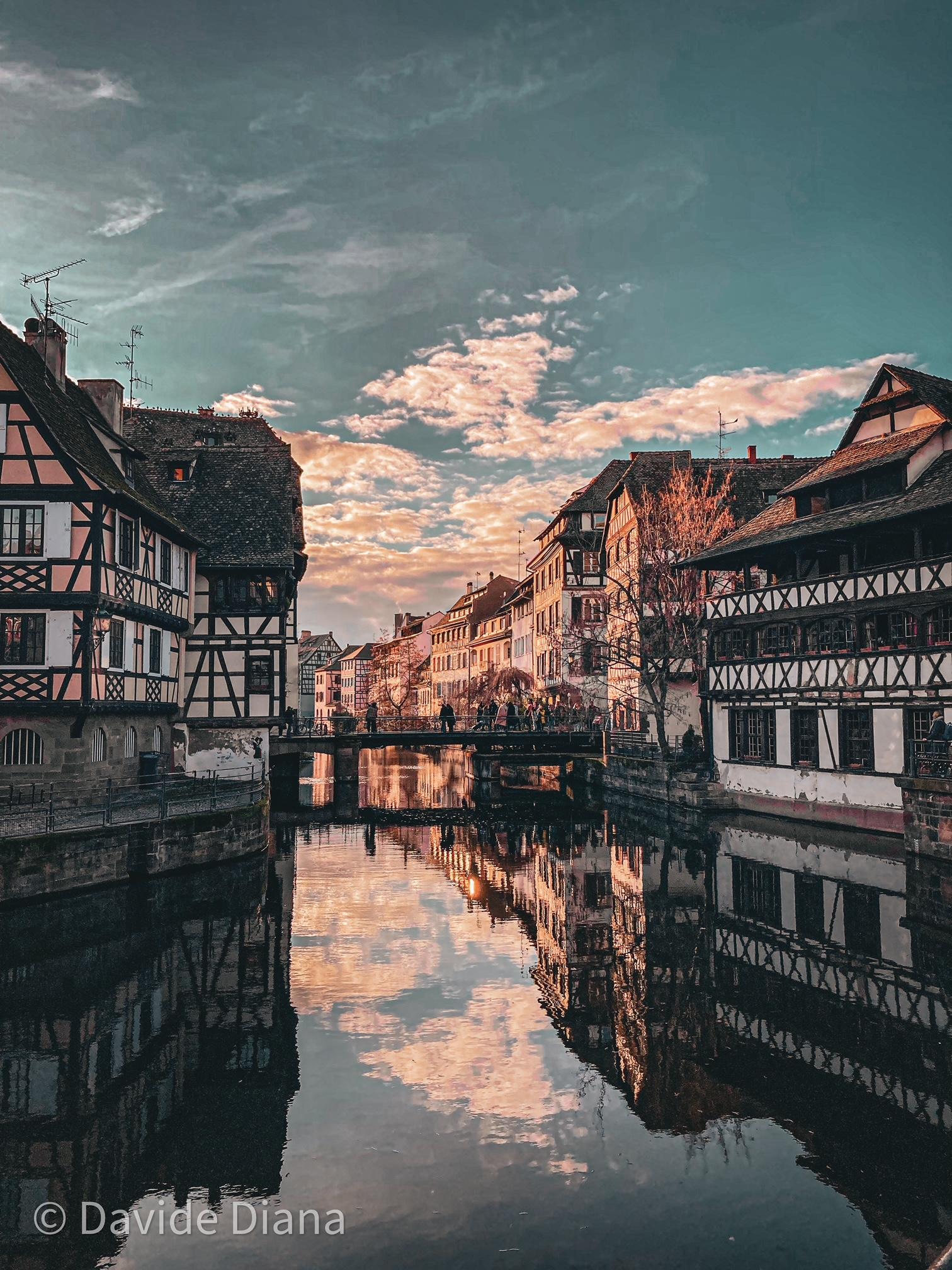
Explore centuries of history through iconic squares, the Petite France quarter, and Gothic landmarks
1.5 hours
Free Cancellation
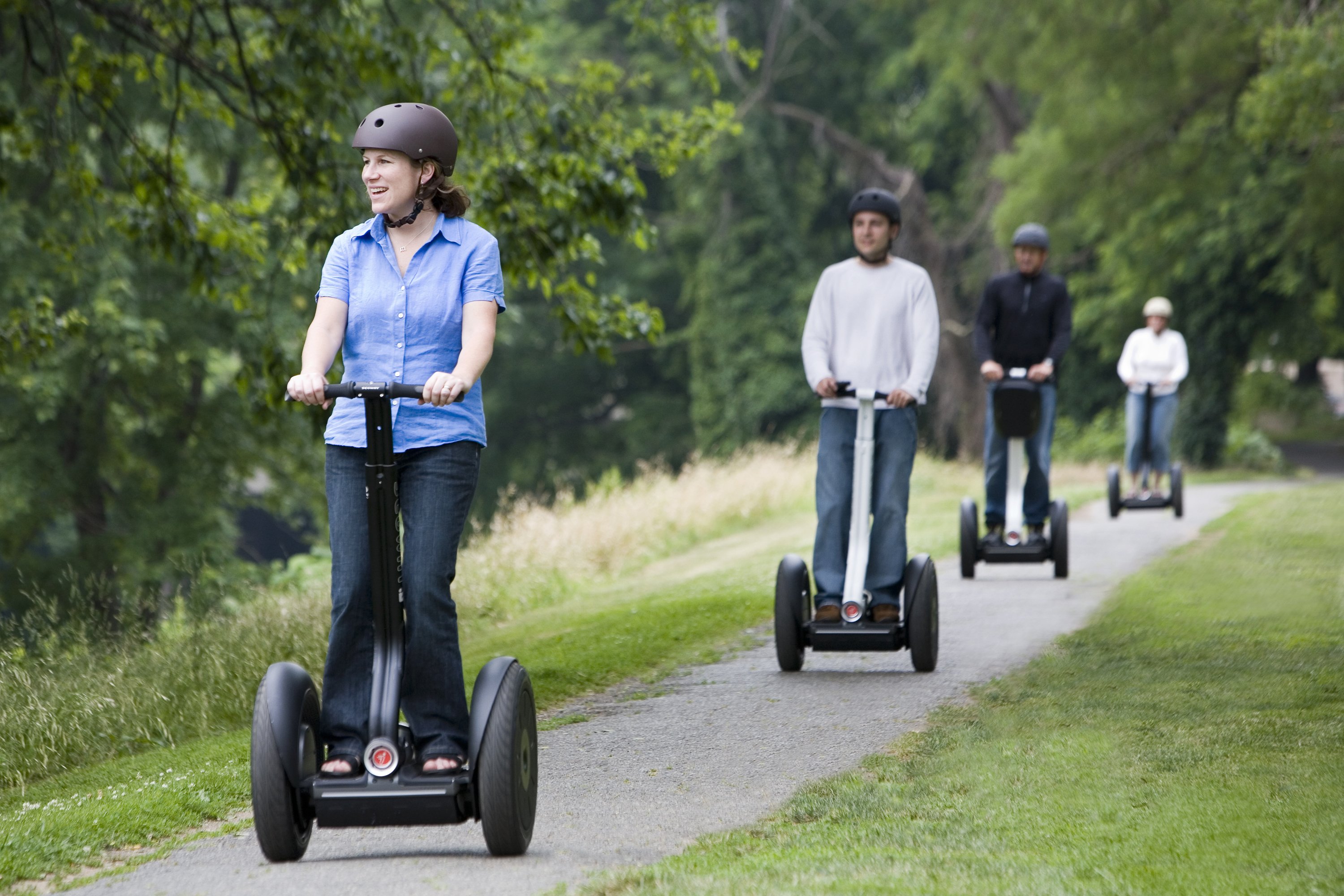
Cruise through one of France's most beautiful cities on a thrilling 90-minute Segway adventure.
3 hours
Free Cancellation
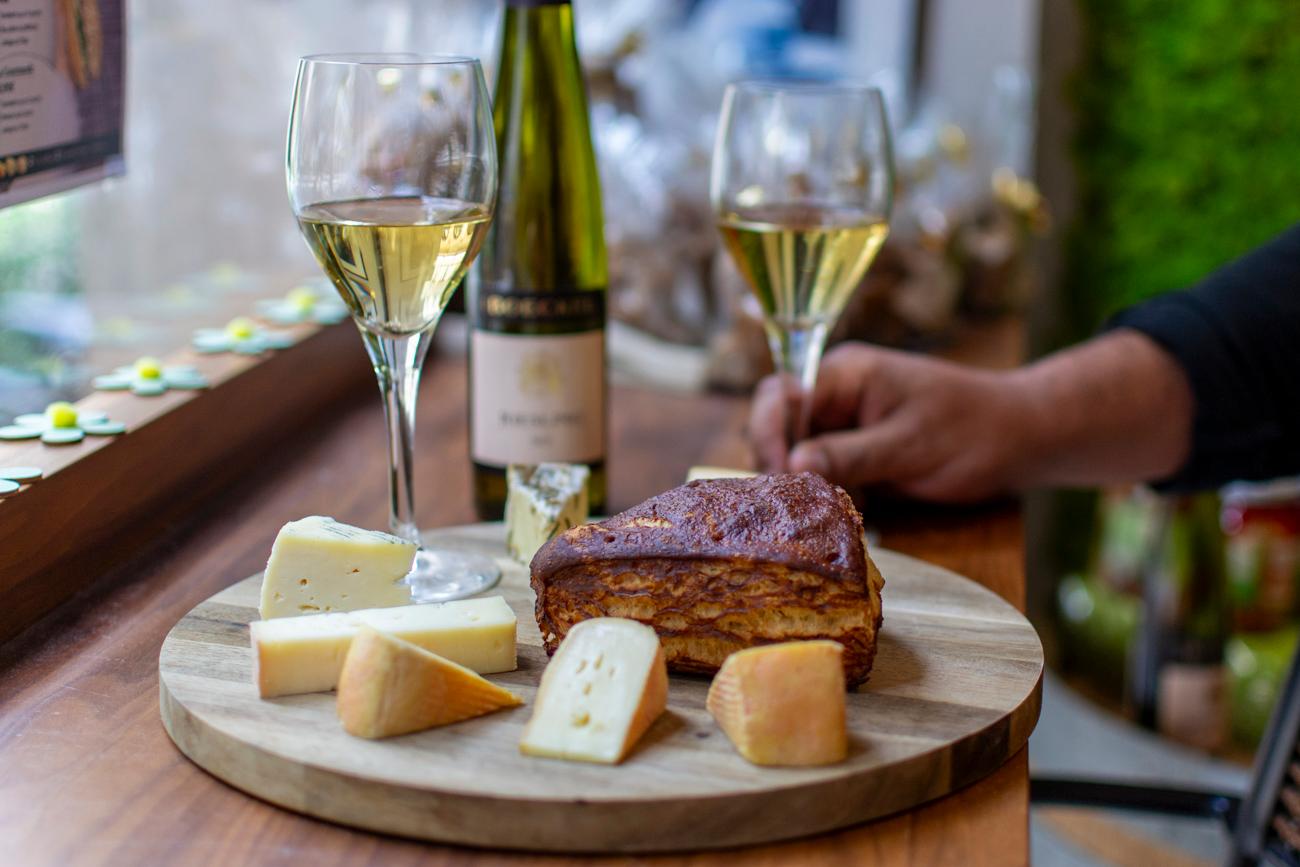
Explore Strasbourg's culinary heritage through five authentic tastings led by an Alsatian food expert.
All the details about your upcoming adventure in one place
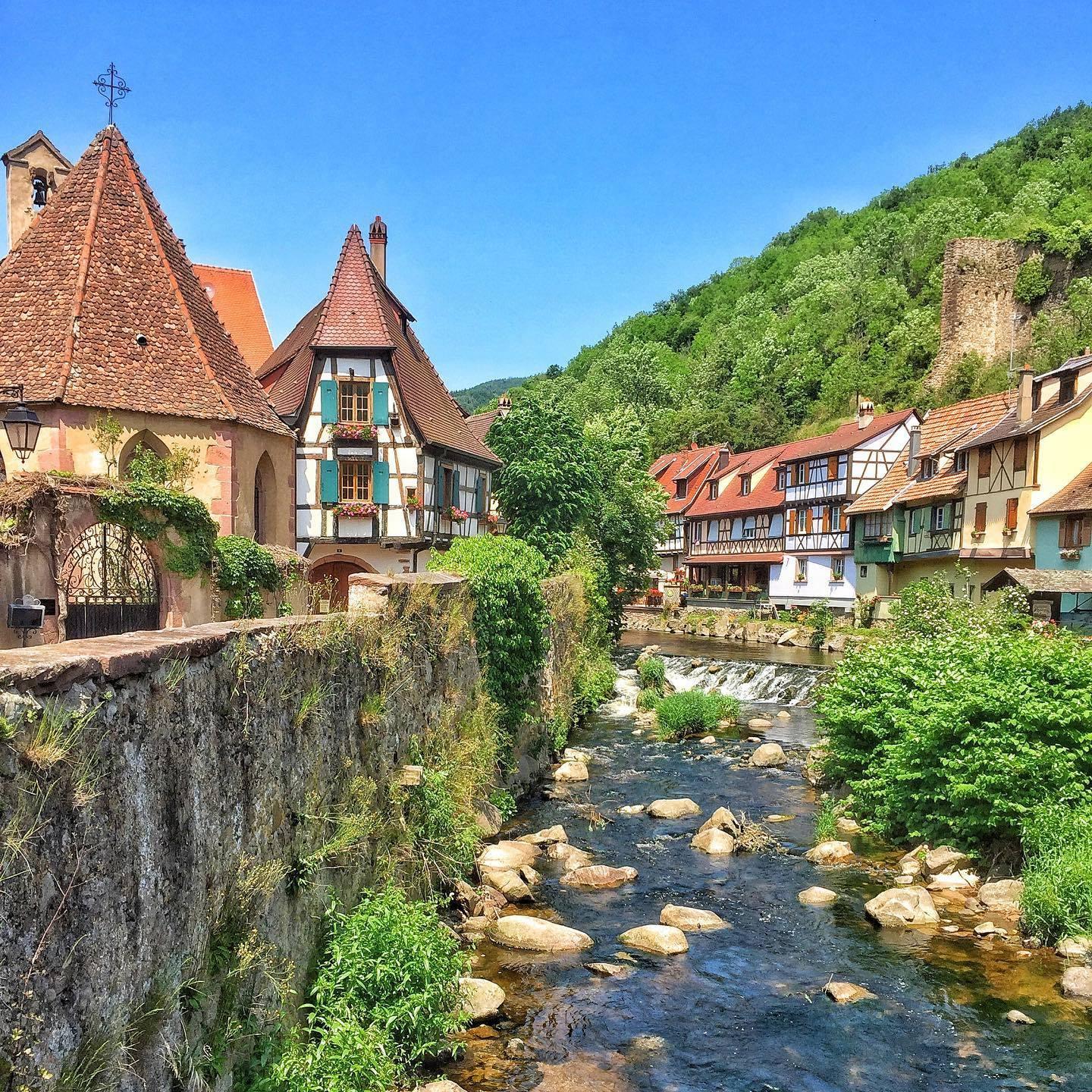
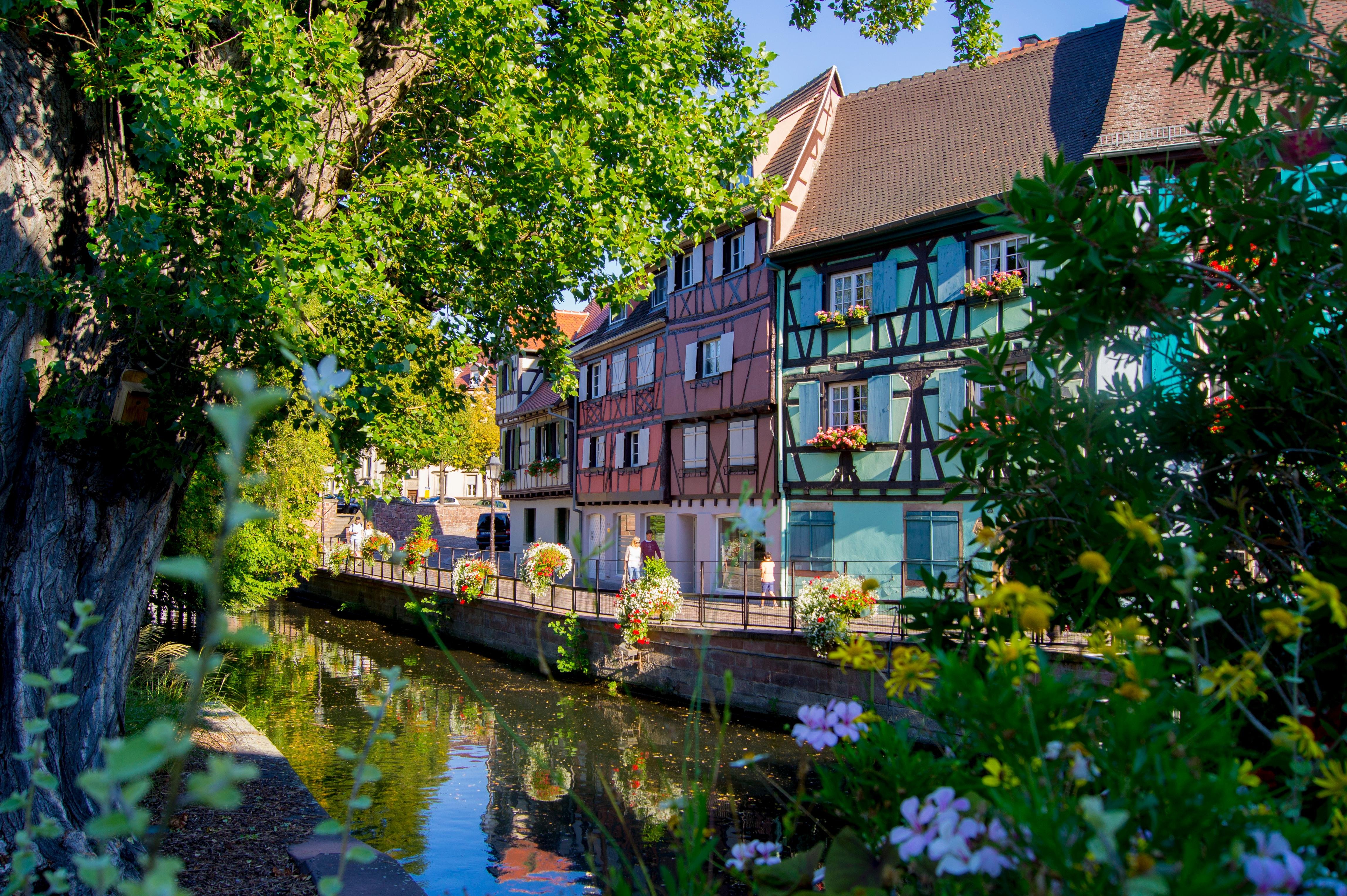
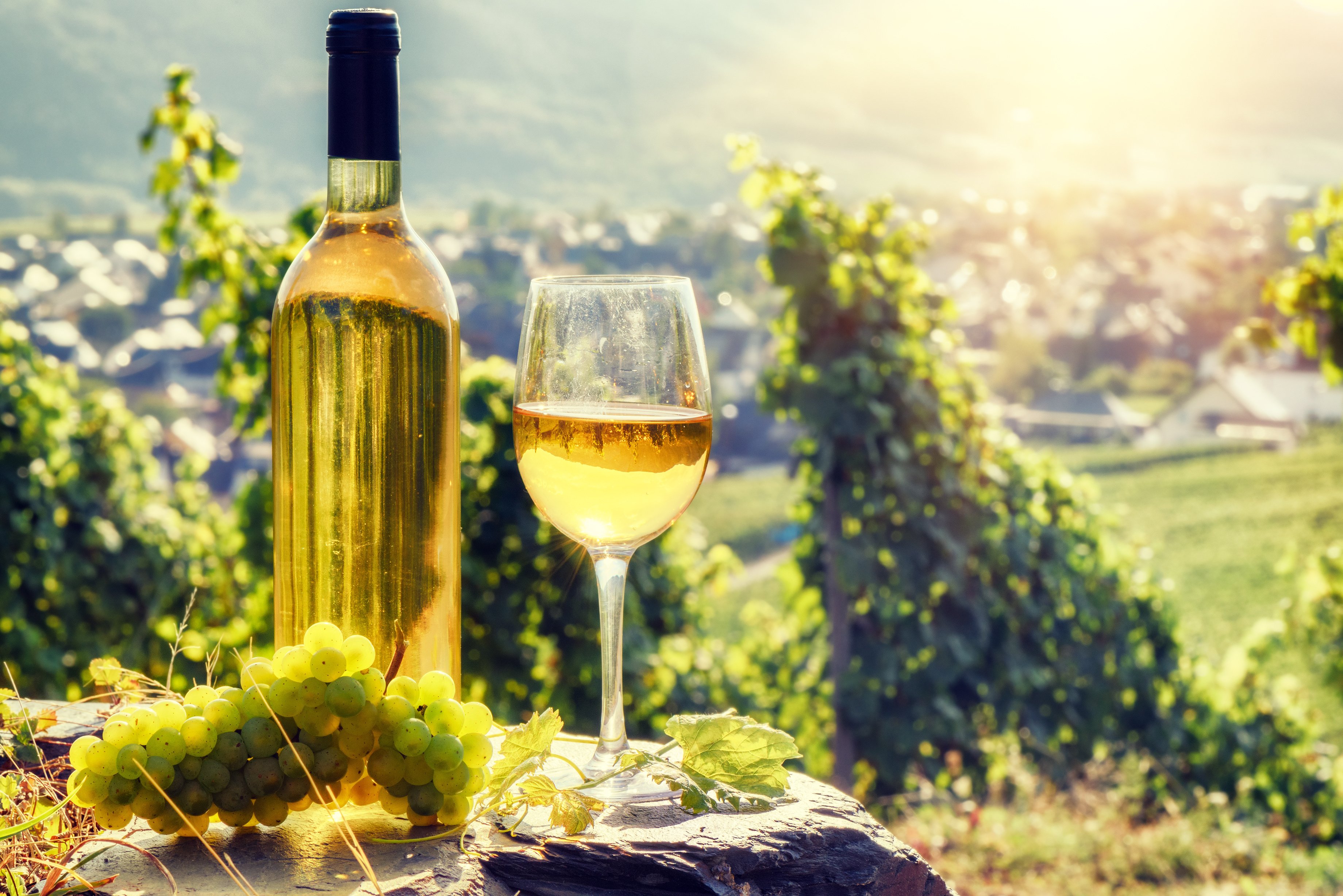
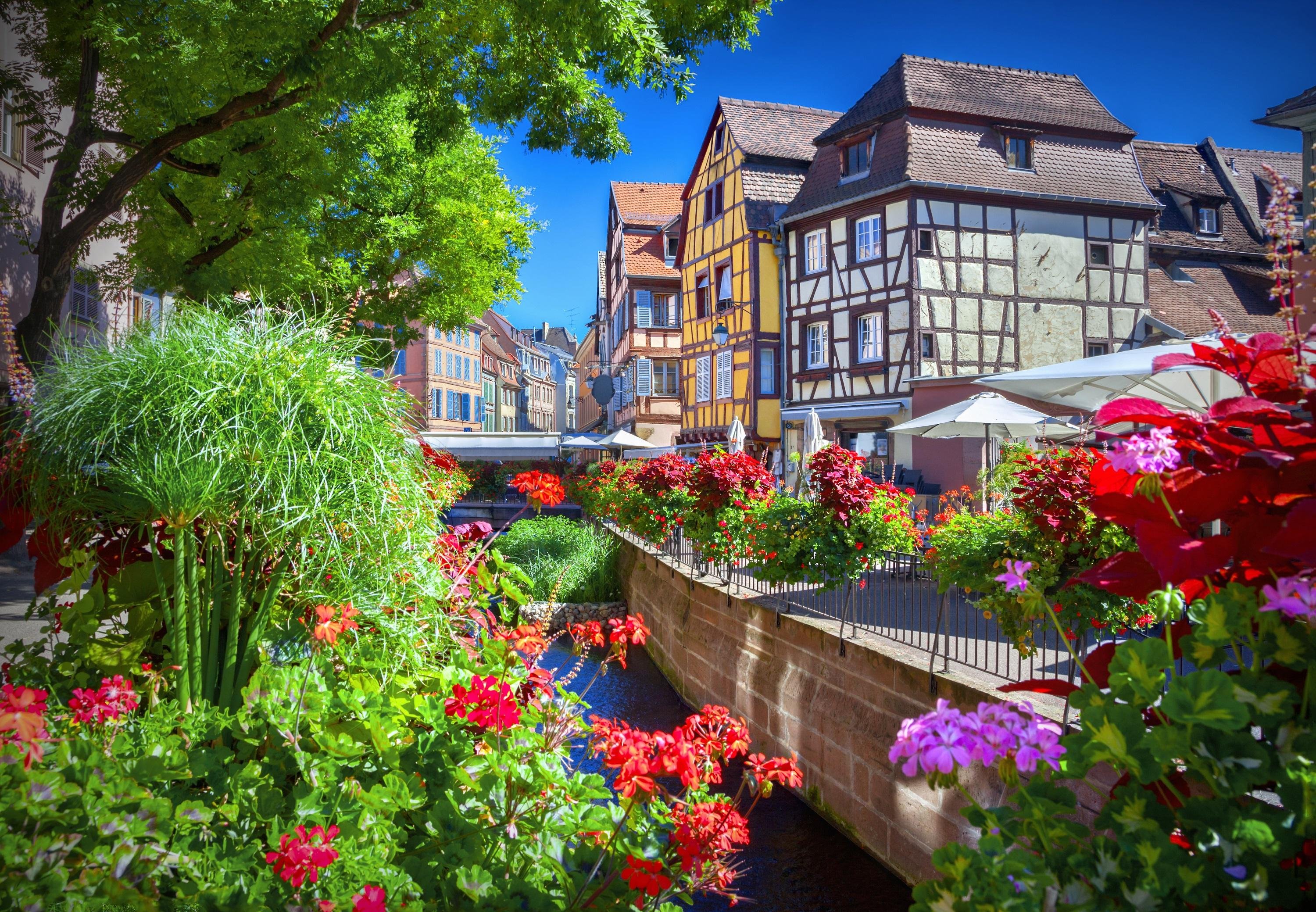
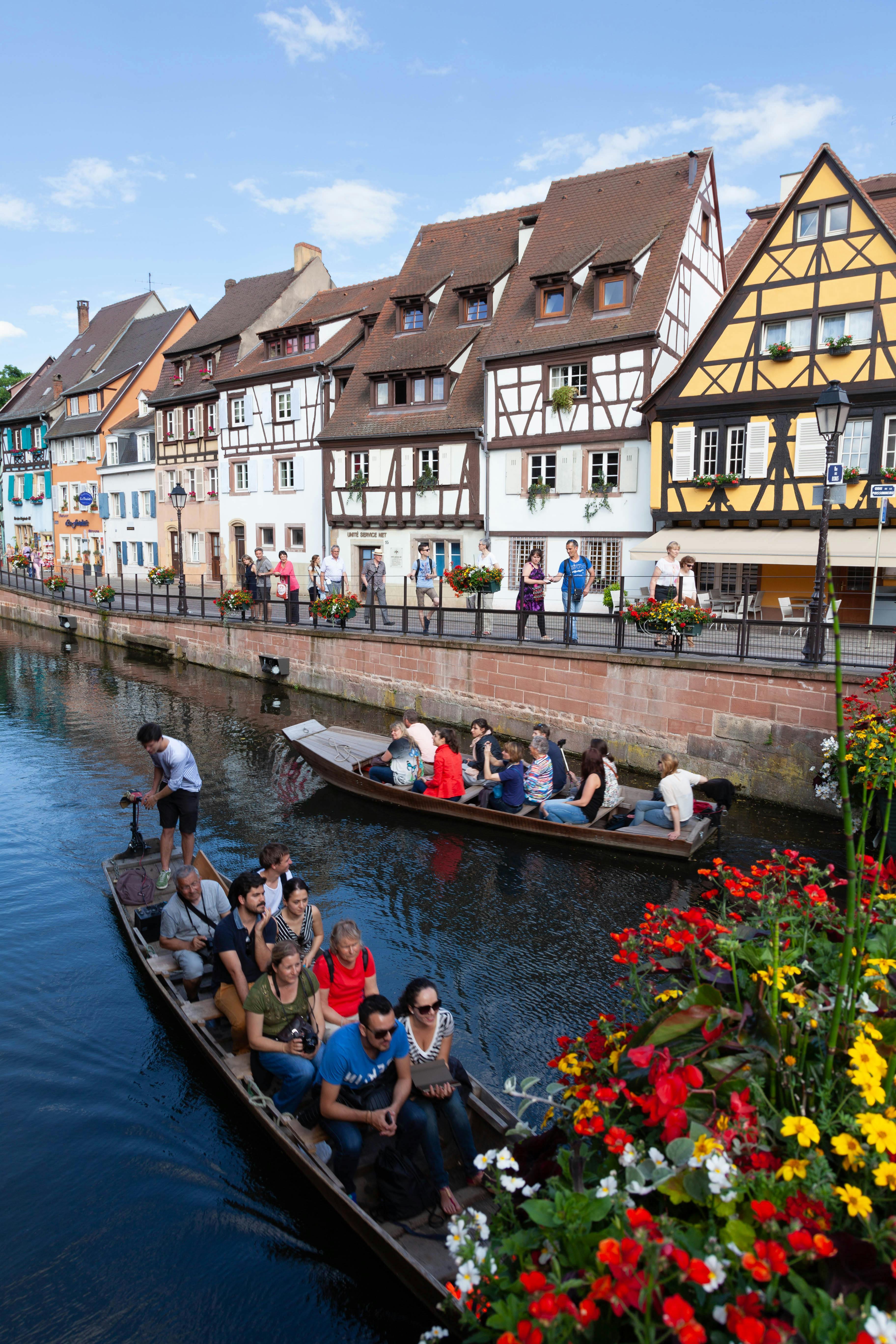
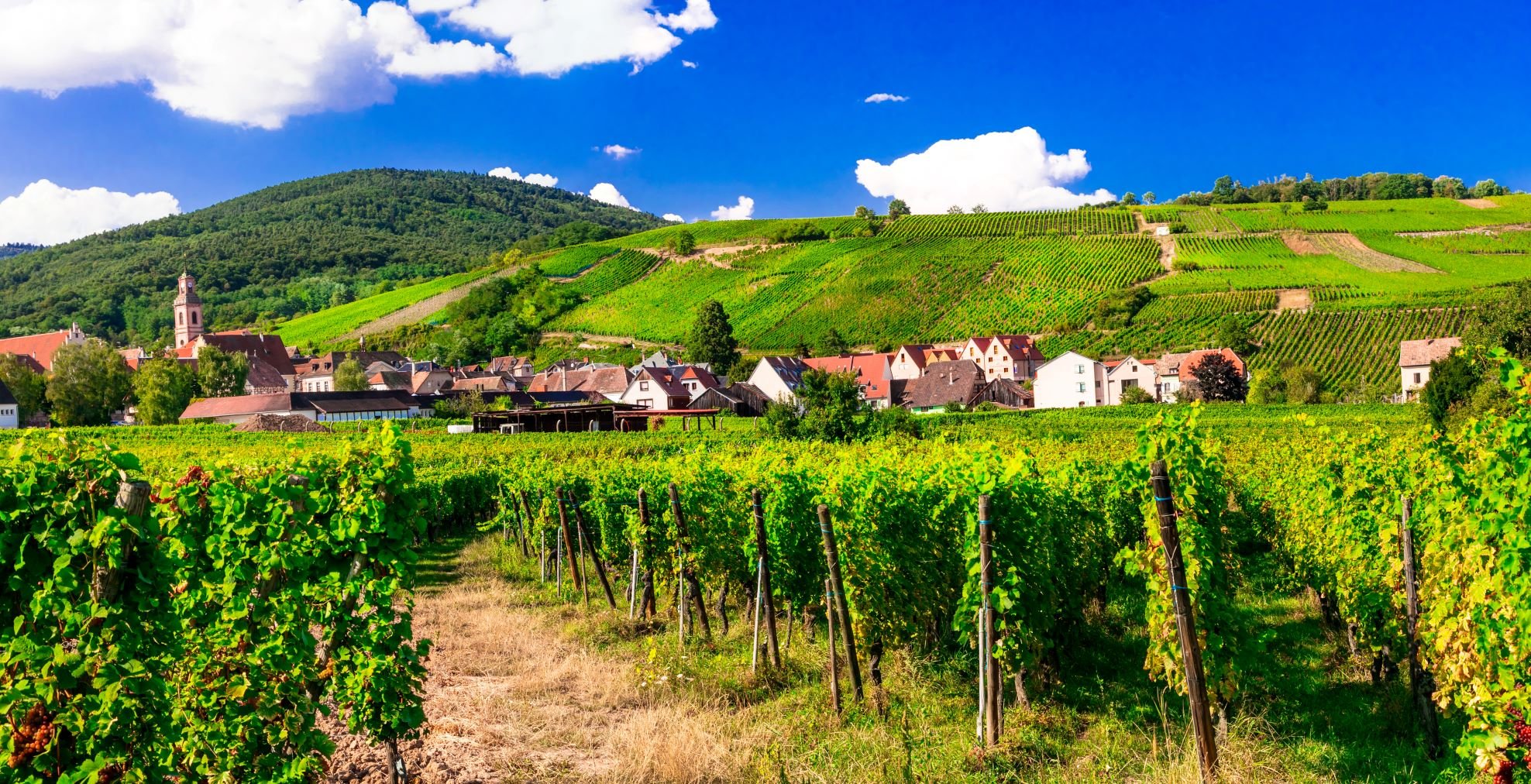
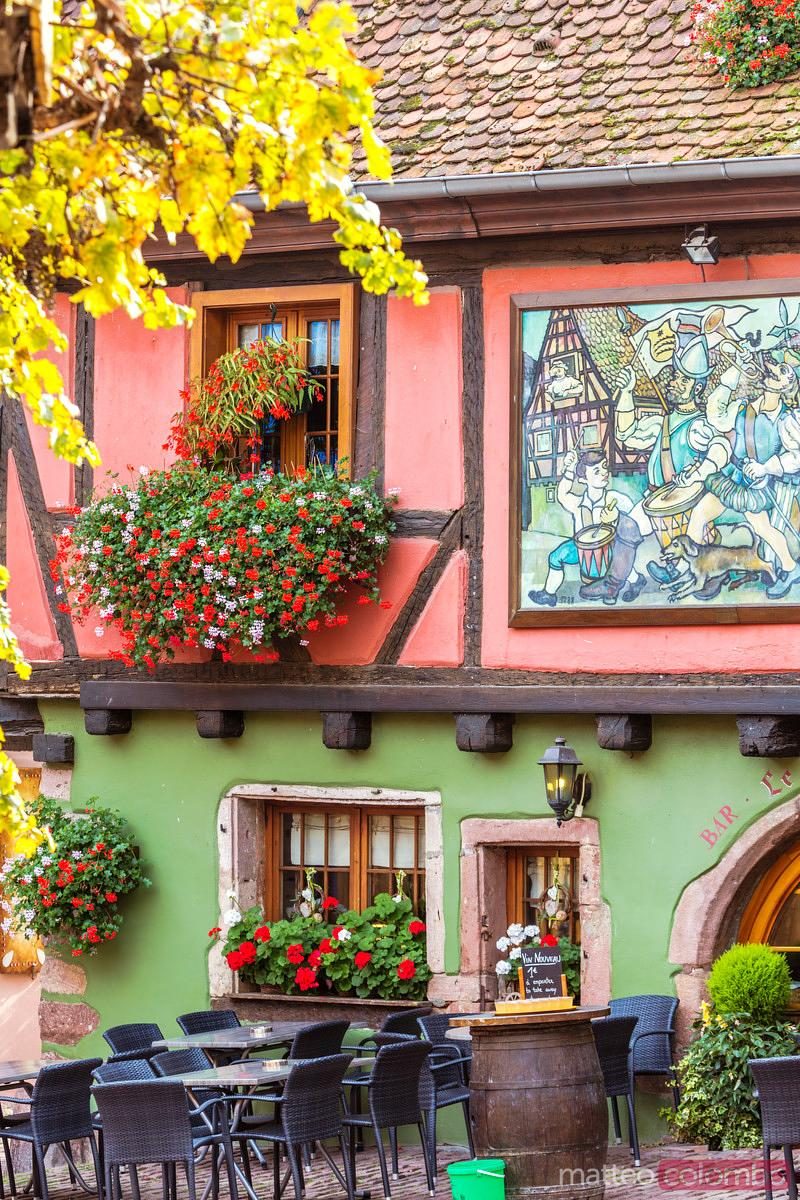
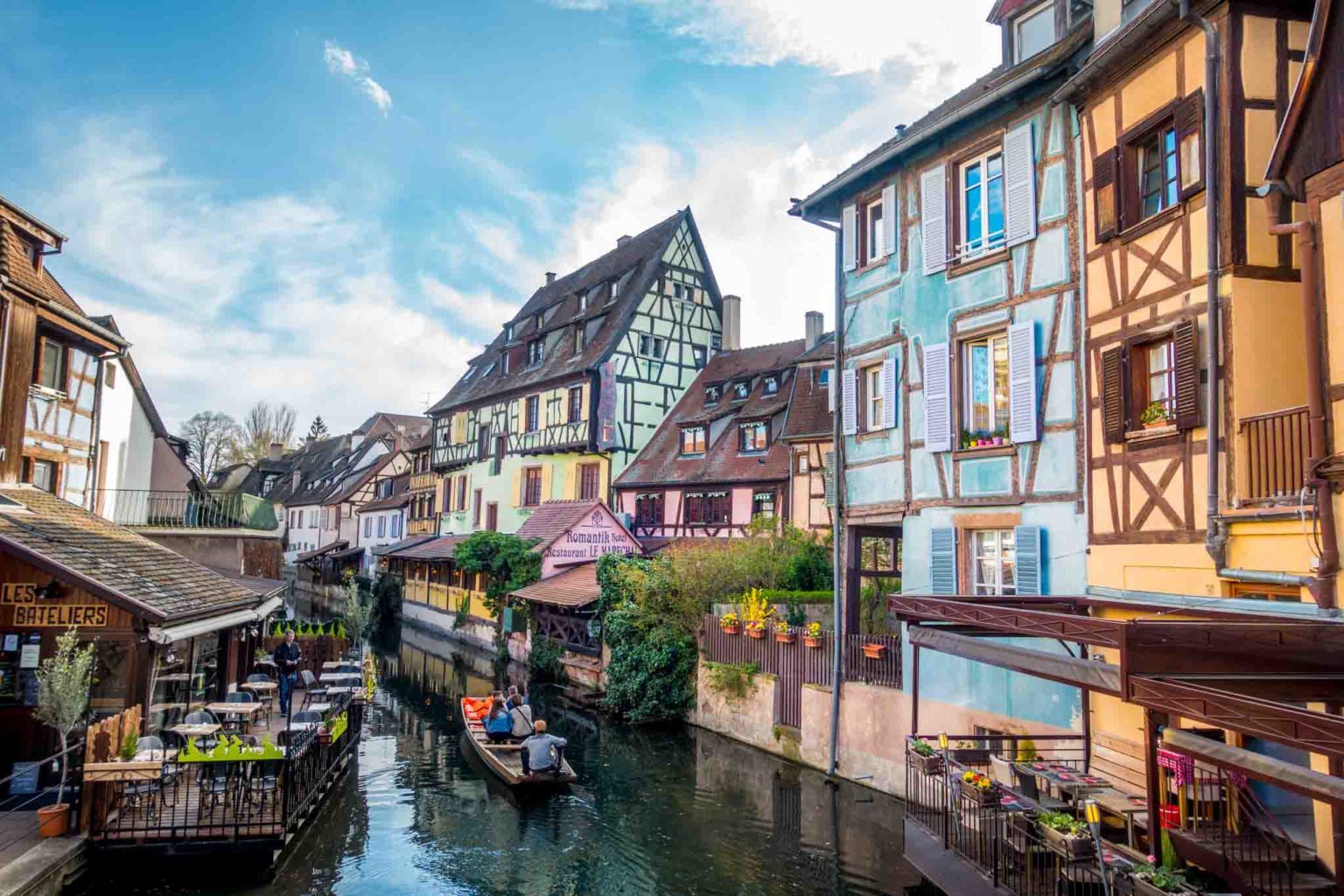
Explore the Alsace region's half-timbered villages, renowned vineyards, and medieval castles on this alsace day trip from strasbourg. Wind through the celebrated Route des Vins, stopping in Riquewihr, Eguisheim, and Colmar to sample Riesling and Gewürztraminer at family cellars. Alsace day trip from strasbourg tours include guided walks through cobblestone lanes, tastings at traditional wineries, and panoramic views from Haut-Koenigsbourg fortress.
The Alsace region stretches along a narrow band between the Vosges Mountains and the Rhine, its identity forged by centuries of alternating French and German rule. Colmar, the unofficial capital of the wine route, preserves a core of sixteenth-century timber-frame architecture that survived both World Wars intact.
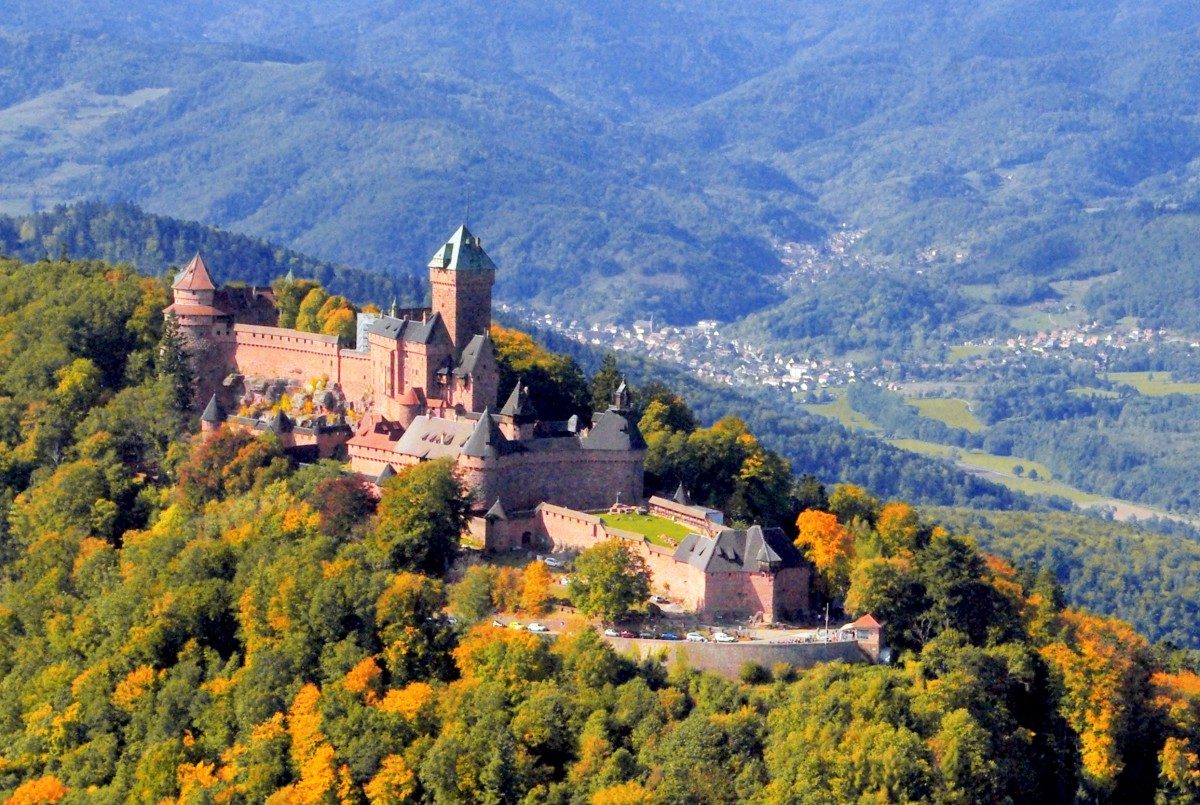
Riquewihr, encircled by medieval ramparts, remains one of the few Alsatian villages never rebuilt after conflict — its cobbled Rue du Général de Gaulle looks much as it did in 1520. Haut-Kœnigsbourg, a twelfth-century fortress perched at 755 meters, was reconstructed under Kaiser Wilhelm II between 1901 and 1908, a project that sparked debate over authenticity but left visitors with sweeping views across the Rhine plain to the Black Forest.
Today, an alsace day trip from strasbourg anchors itself in three experiences: the wine cellars of the Route des Vins d'Alsace, the pastel-hued canals of Petite Venise in Colmar, and the fortress interiors of Haut-Kœnigsbourg. The region produces seven grape varieties under controlled appellations, with Riesling and Gewürztraminer dominating the limestone slopes above Riquewihr. Colmar's Unterlinden Museum houses Matthias Grünewald's Isenheim Altarpiece, a polyptych completed in 1516 that draws art historians year-round. The architectural lexicon shifts village to village: timber framing in Eguisheim, sandstone bell towers in Kaysersberg, wrought-iron guild signs in Obernai. Each settlement developed around a different craft or trade, and those distinctions remain legible in streetscapes.
Distance proves manageable — Colmar sits 68 kilometers south of Strasbourg, Riquewihr another 15 beyond that, and Haut-Kœnigsbourg 12 kilometers west of the wine-route corridor. Coach tours typically allocate two hours in Colmar, ninety minutes in Riquewihr, and an hour at the castle, though independent travelers often reverse that ratio to linger in cellar tastings. The Route des Vins runs 170 kilometers from Marlenheim to Thann, but day visitors concentrate on the 30-kilometer stretch between Ribeauvillé and Eguisheim, where vine density peaks and village spacing allows multiple stops. Seasonal timing matters: grape harvest mobilizes the region from late September through October, and many cellars close to tourists during that window. Snow can close the Haut-Kœnigsbourg access road between December and February.
Alsace day trip from strasbourg itineraries vary in their inclusion of wine tastings, guided commentary, and whether they prioritize castle access or extended village time. Some operators add a stop in Eguisheim or Kaysersberg; others substitute Château du Haut-Barr for Haut-Kœnigsbourg to avoid crowds. The region's compact scale makes spontaneous route adjustments feasible, and most guides accommodate requests to photograph specific timber-frame compositions or visit a particular cellar.
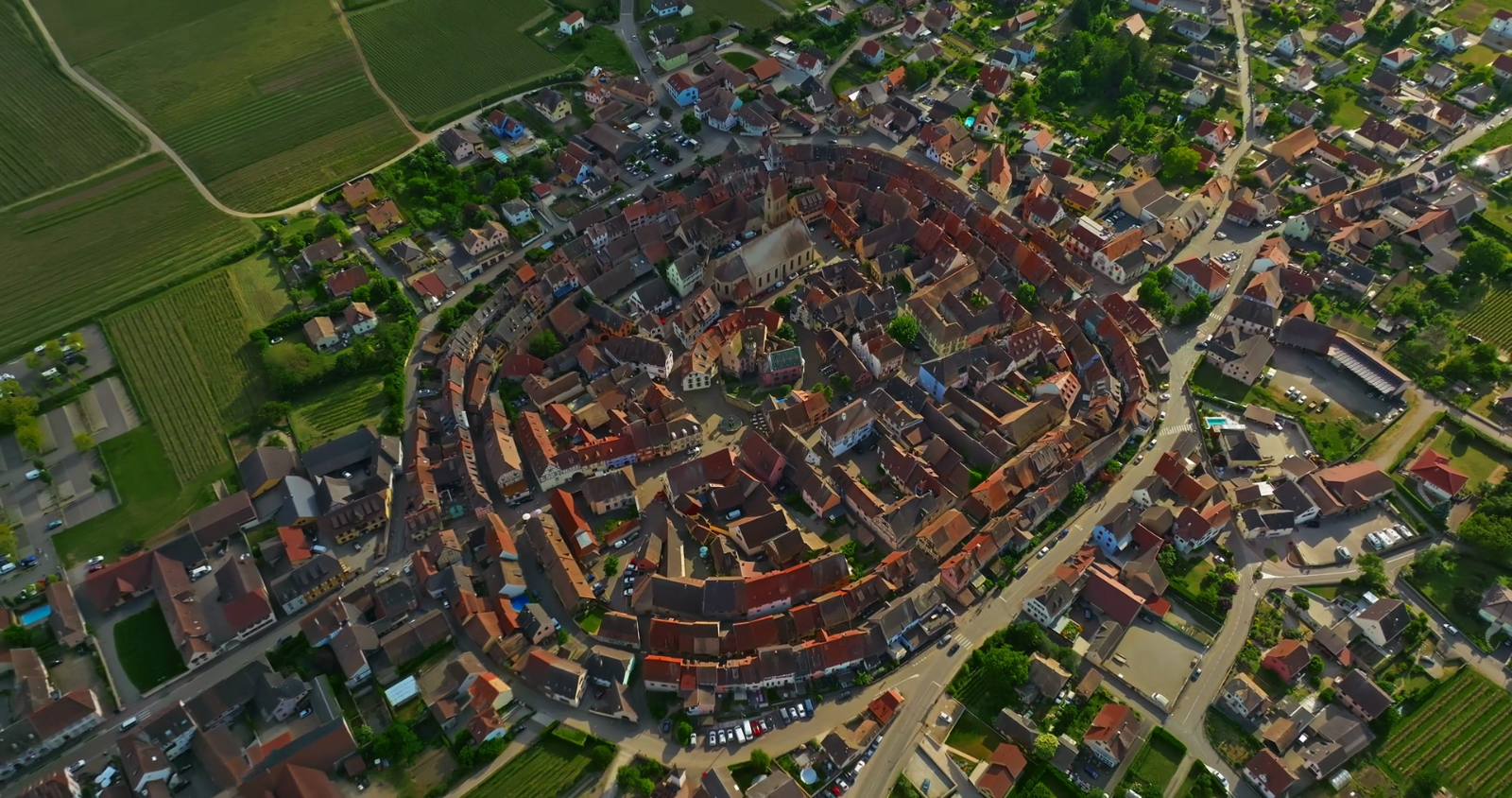
Riquewihr remains one of the few Alsatian villages never rebuilt after conflict — its cobbled main street looks much as it did in 1520.
Entry to the market hall is 0 EUR (Free entry to the market hall; items for purchase at stalls.). Private tours booked through external operators follow individual provider policies.
Weather · crowds · average price — dots go green to amber to red as each metric rises.
High season with maximum stall variety and outdoor market activity on Thursdays and Sundays. Early morning is essential to avoid the heat and peak crowds.
Mild weather perfect for outdoor seating and exploring the surrounding canal banks. Moderate visitor levels allow for a relaxed pace.
Features seasonal harvests like truffles and mushrooms; typically less crowded. Great for sampling local wine vintages.
Quieter period with indoor comfort and festive decorations nearby. Ideal for those seeking an authentic local experience without the wait.
Most stalls are fully active from Tuesday to Sunday, with Monday potentially offering limited service. Visit mid-week for the most consistent experience.
While many vendors accept cards, smaller stalls and bars often prefer cash for quick transactions.
Engage with the local producers to learn about regional ingredients and preparation tips. They are often proud to share their craft and family history.
The covered market hall of Narbonne stands as a testament to the iron-and-glass architectural movement that swept through France at the turn of the twentieth century. Designed by architects Léopold Carlier and Just Lisch, construction began in 1901 and concluded in 1901, replacing the open-air market that had sprawled across the surrounding streets since medieval times. The structure drew direct inspiration from Victor Baltard's revolutionary Les Halles in Paris, adopting the same principles of wrought-iron frames, transparent glazing, and rational column grids that prioritized hygiene and light. Narbonne's municipal council commissioned the project to modernize the city's commercial infrastructure and assert its status as a regional trading hub along the Canal de la Robine. The hall opened to vendors in October 1901, immediately centralizing the trade of fish, meat, cheese, and produce under one climate-controlled pavilion. By the 1920s, the market had become the primary distribution point for wine from the surrounding Languedoc vineyards, with dedicated stalls for barrel merchants and négociants. World War II brought rationing and reduced foot traffic, yet the iron framework survived intact while many French market halls were dismantled for scrap metal. Post-war renovations in 1952 reinforced the roof trusses and introduced refrigeration units, extending the life of perishable goods and attracting new fishmongers from the Mediterranean coast. Today the hall operates daily as both a working market and a heritage landmark, its original Baltard-inspired skeleton preserved beneath modern awnings and updated ventilation. The pavilion remains central to Narbonne's culinary identity, offering travelers on an alsace day trip from strasbourg tours a living example of France's market-hall tradition. Restoration work in 2004 cleaned the ironwork and replaced damaged glass panels with period-appropriate panes, ensuring structural integrity while honoring the 1901 design. The hall continues to anchor the city's commercial quarter, a functional monument to municipal ambition and the enduring appeal of transparent, egalitarian public space.
Architects Carlier and Lisch complete construction of the iron-and-glass market hall, modeled after Baltard's Paris Les Halles.
The pavilion opens to vendors, centralizing fish, meat, and produce trade under one covered structure.
The market becomes the regional distribution hub for Languedoc wine, with dedicated stalls for barrel merchants.
The hall survives World War II intact, avoiding the scrap-metal dismantling that claimed many French market structures.
Post-war renovations add refrigeration units and reinforce roof trusses, modernizing perishable-goods storage.
Restoration cleans the original ironwork and replaces glass panels, preserving the 1901 Baltard-inspired design for future generations.
Exploring the culinary landscape near an alsace day trip from strasbourg context reveals that Les Halles de Narbonne serves as the primary gastronomic hub. This historic market hall offers a diverse array of fresh, artisanal provisions, making it an ideal destination for those seeking authentic regional flavors.
This esteemed butcher offers high-quality local cured meats and pâtés, perfect for assembling a sophisticated midday meal. It is a staple for visitors participating in various alsace day trip from strasbourg tours.
Everything you need to know for your journey
No, an alsace day trip from strasbourg tour generally focuses on the market experience where you pay for items directly at stalls.
Yes, you can easily combine your alsace day trip from strasbourg plan with a visit to the nearby Cathédrale Saint-Just et Saint-Pasteur.
A massive Gothic cathedral known for its towering choir and historic organ.
The former archbishops' palace houses museums and historic towers with panoramic views.
A scenic waterway perfect for strolls, part of the UNESCO-listed network.
Underground Roman galleries located 5 meters below the modern city surface.
Classic establishment located near the historic city center.
Stylish accommodation situated within easy reach of the market and canal.
Various vacation properties available near the Place de l'Hôtel de Ville.
Join thousands of happy travelers who have discovered this incredible experience
Book Your Experience Now